 Academic Development
 Skill Acquisition
 Professional Learning
 Wellbeing
 Academic Development
 Skill Acquisition
 Professional Learning
 Wellbeing
 UK Schools
 UK Universities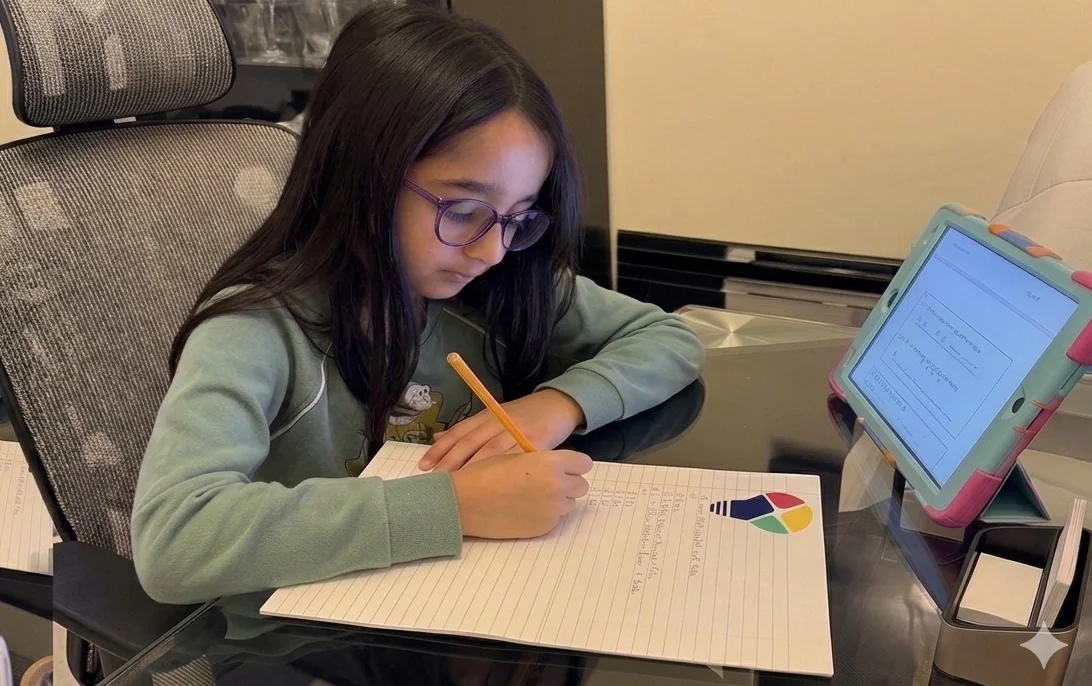
Online learning is now a normal part of many families’ routines. Some children attend virtual classes full time whilst others combine school with online tuition or independent study. Whatever the situation, the way learning is set up at home makes a noticeable difference to concentration and overall progress.
Parents often assume that success depends mainly on the quality of teaching. That matters of course, but the surrounding environment plays a much larger role than many realise. A thoughtful setup allows your child to focus properly and approach lessons with the right mindset.
Below are practical steps to help you create an effective online learning environment at home, without turning your house into a classroom!
One Consistent Study Space
Children respond well to consistency. When they sit in the same place each day to learn, that space gradually becomes associated with focus and effort.
This does not require a dedicated office. A desk in a bedroom or a quiet corner of the dining area works perfectly well. What matters is that the space is used primarily for learning rather than playing.
Aim for:
- A stable desk or table with enough room to write comfortably
- A chair that supports upright posture
- Good lighting, ideally natural light during the day
Studying on a bed or sofa tends to blur the line between rest and work. Over time, that makes it harder for children to switch into a focused state.

A Clear Workspace
Visual clutter competes for attention. A desk covered in unrelated books, electronic devices and loose papers makes it harder to concentrate.
Encourage your child to keep only the materials needed for that lesson within reach. Everything else can be stored nearby. This small habit reduces distraction and creates a calmer atmosphere.
It is also helpful to spend five minutes at the end of each week tidying the study area to prevent small messes from becoming gradually overwhelming.
Make Sure Technology Is Reliable
Online learning depends on technology, so it is worth ensuring that everything works smoothly before lessons begin.
It's a good idea to check that:
- The internet connection is stable
- All devices needed are sufficiently charged
- Headphones and microphones are working properly
- Any required software is updated (can be time consuming!)
Position the screen at a comfortable height and distance. Long sessions looking down at a device can quickly lead to fatigue, which affects concentration more than many parents expect.
When technology runs smoothly, children stay engaged in the lesson rather than becoming distracted by avoidable interruptions.
Establish a Clear Daily Routine
Structure supports focus. Children tend to perform better when learning follows a predictable pattern.
Where possible, begin lessons at similar times each day and build in short breaks between sessions. It always helps to set a clear end point to the study day. A consistent routine usually reduces any resistance to study. There is less negotiation about when to start and fewer arguments about when to stop.
Breaks are important, particularly during online learning. Encourage your child to step away from the screen rather than switching to another device. A short walk, stretching or simply moving rooms helps reset attention.
Active Participation
Online lessons can easily become passive. A child may appear attentive while absorbing very little.
Encourage simple active habits.
- Take notes during the lesson
- Write down questions to ask later
- Summarise key points after the session
You might ask in the evening, “What did you cover today?” or “Was anything confusing?” These short conversations reinforce understanding without feeling like an interrogation.
Any form of real engagement improves retention. Even small adjustments here make a noticeable difference over time.
Independence and Organisation
Parents play an important role in shaping the tone of online learning at home. Calm oversight is far more effective than constant supervision.
A weekly check-in usually works well. It’s a good idea to review upcoming deadlines together and ask whether any topics feel challenging. Encourage your child to take responsibility for preparing their workspace before lessons begin.
When children feel trusted but supported, they are more likely to take ownership of their learning.
Part of the responsibility also includes organisation and self management skills.
Consider setting up a separate folder for each subject or a clear digital filing system for online materials to have one central place to record homework and deadlines.
This will allow children to find materials quickly and easily whilst supporting an independent learning environment and organised mind!
Know When Extra Support May Help
Even with a well-organised environment, some children benefit from additional academic structure. Online tuition can provide that.
A tutor brings:
- Clear lesson objectives
- Targeted feedback
- Accountability between sessions
At Union Education Group, our online tutors work closely with families to ensure that the home learning environment complements structured academic support. The combination of a strong setup and expert guidance often leads to noticeable improvement in both confidence and results.